AI-assisted work
In the homepage ↗Certifications
Philosophy
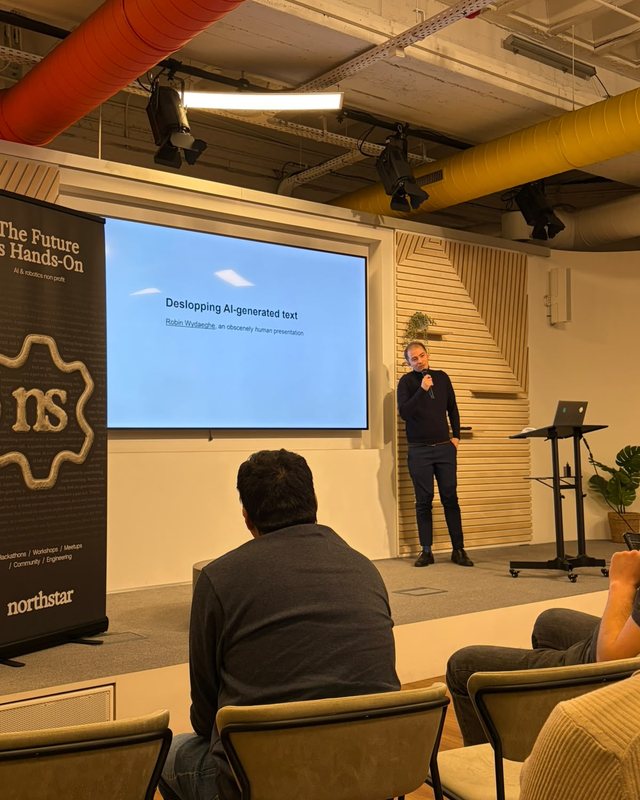
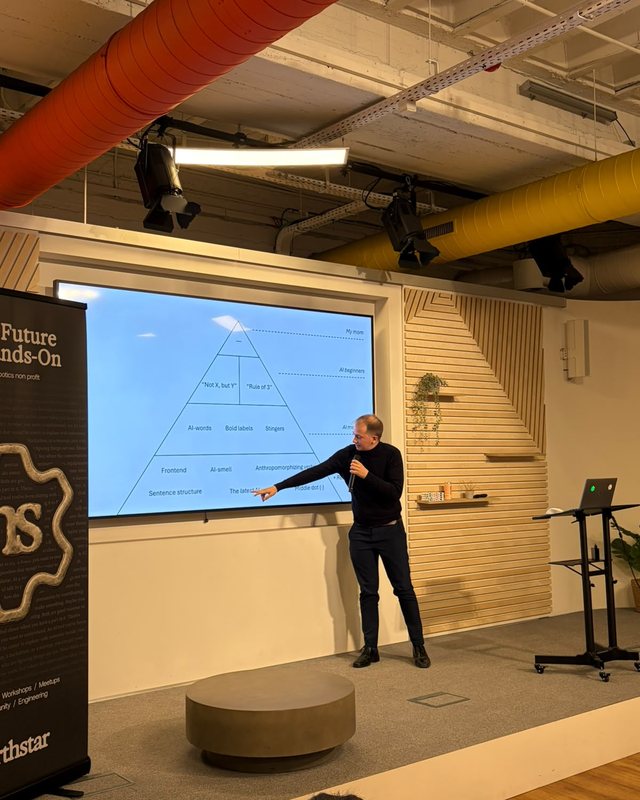
OpenAI Codex DevDay Exchange Community, BeCentral, Brussels, 5 November 2026
I'm not afraid to admit, I'm generally an AI-optimist and have embraced it for all my work. Obviously, I retain the final responsibility and recommend that you check its outputs. You should always remain honest when you use it (this text is human written). For prose I am much more careful. One can not, and should not, tolerate 'slop' writing, especially in scientific writing, which is why I developed an aversion to it. In fact, in November 2026 I gave a short talk about this at DevDay Exchange Community, an OpenAI Codex community evening in Brussels, that I want to elaborate on here.
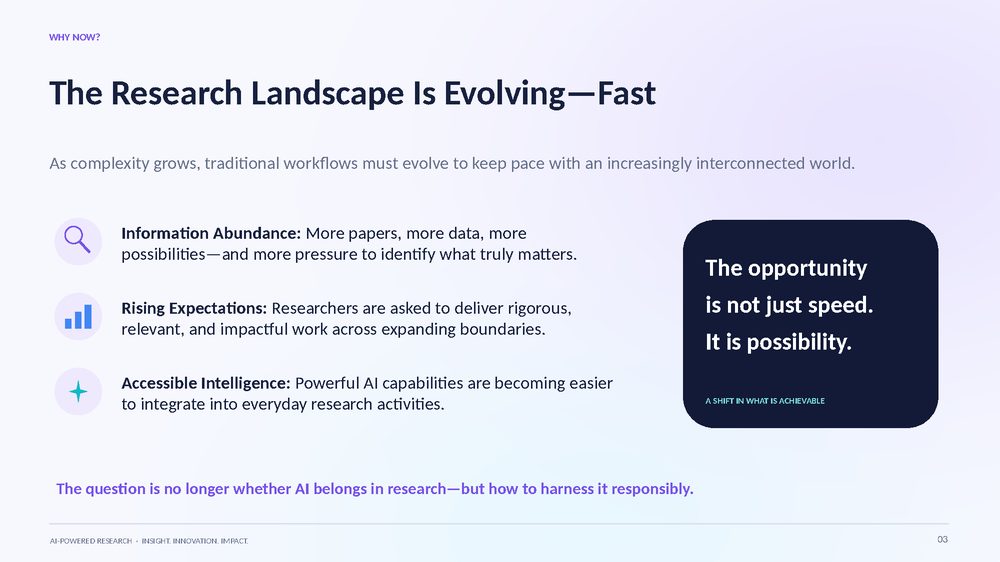
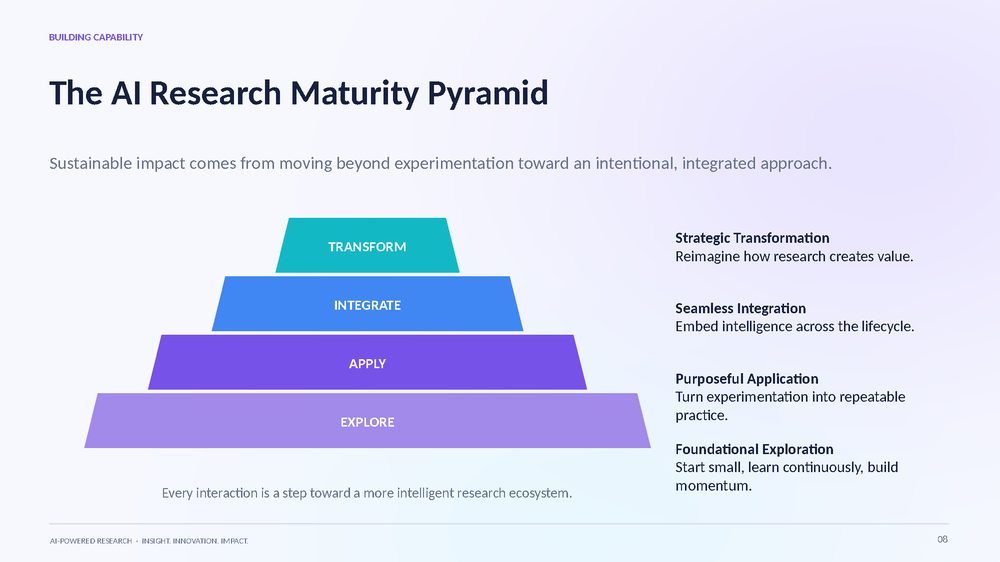
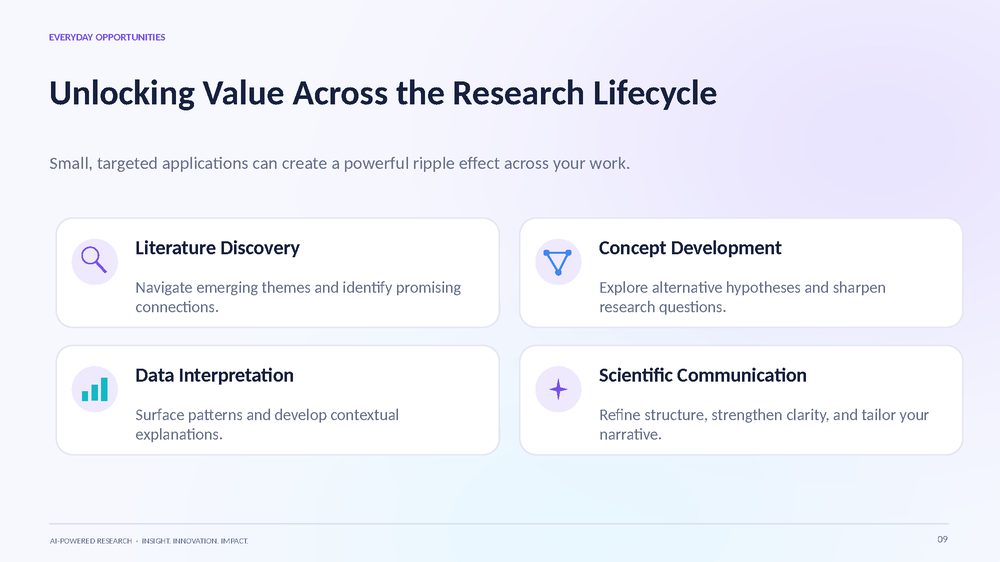
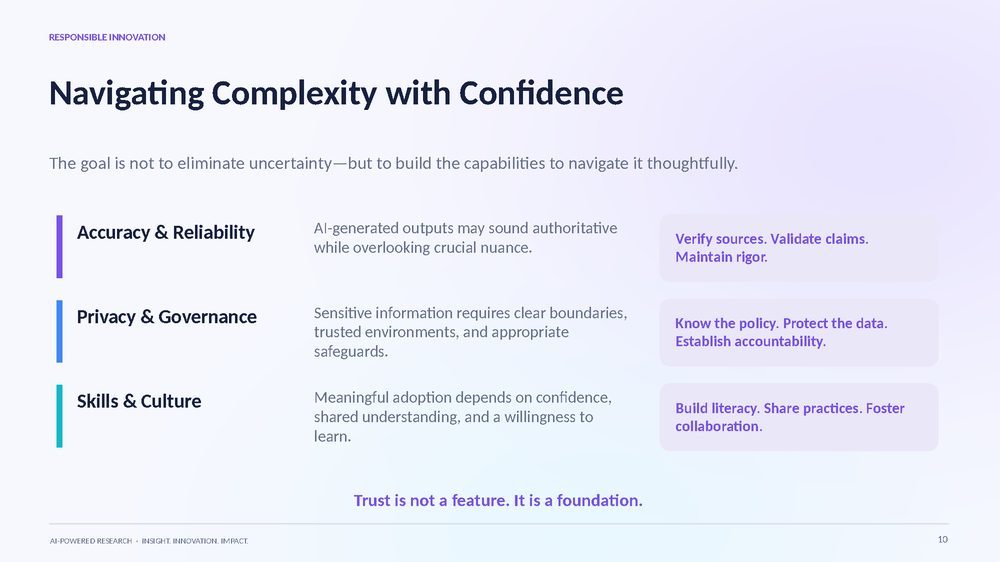
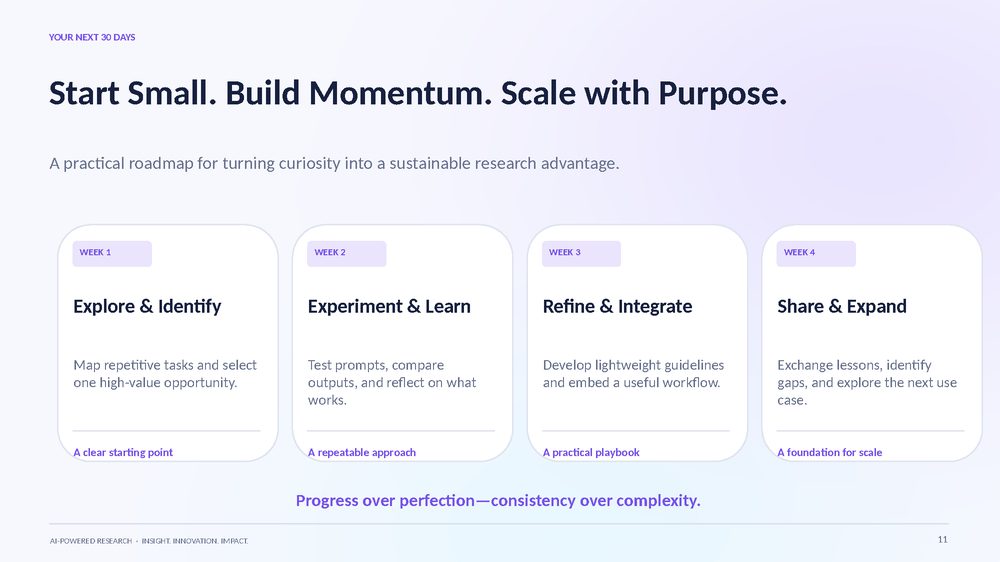
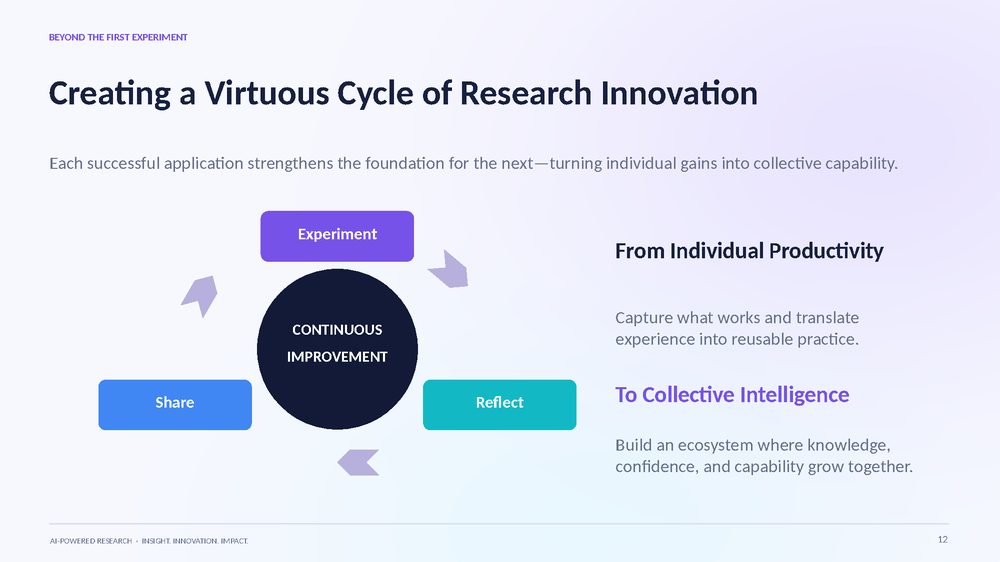
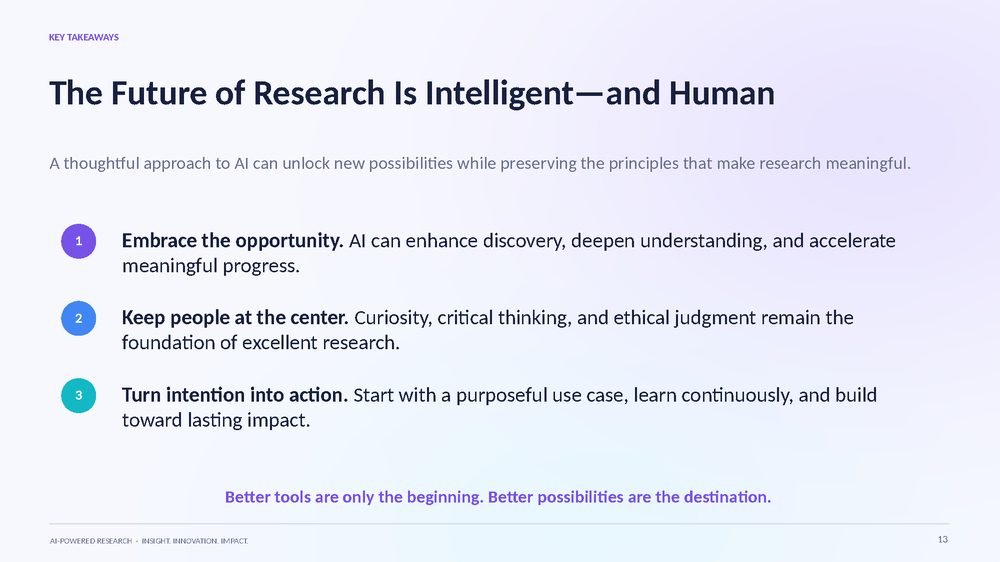
To show the problem, I asked Claude to 'one-shot' a slide deck. Most people in the room had seen slides like these before. You could make a case that in some ways, it's not a bad presentation, yet we have all seen it and instantly lose interest. Yuck.


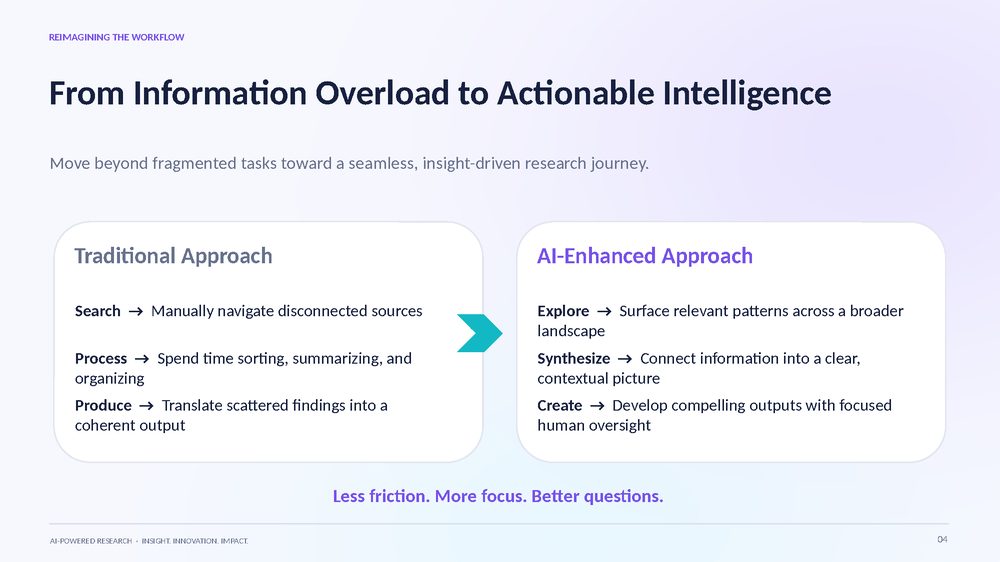
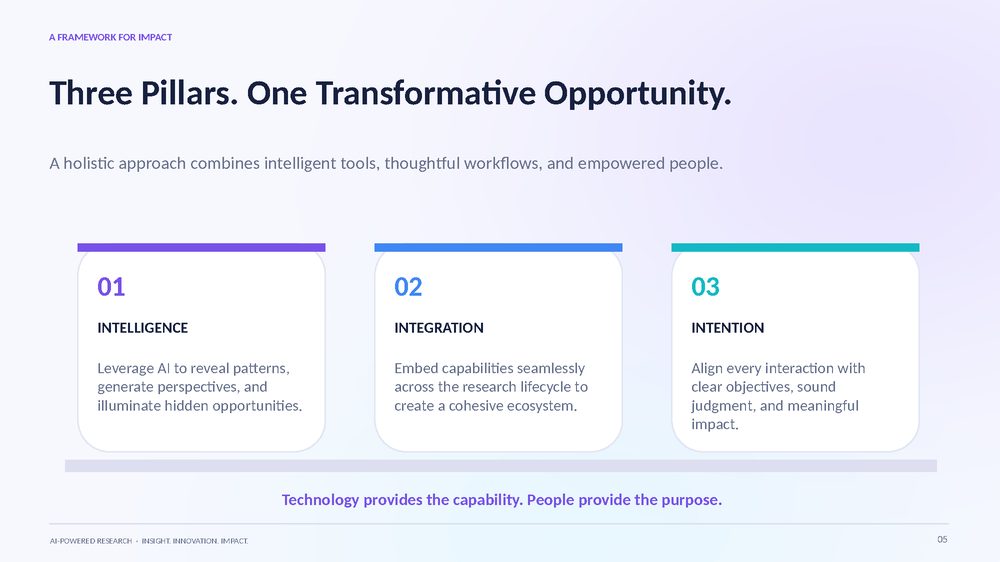
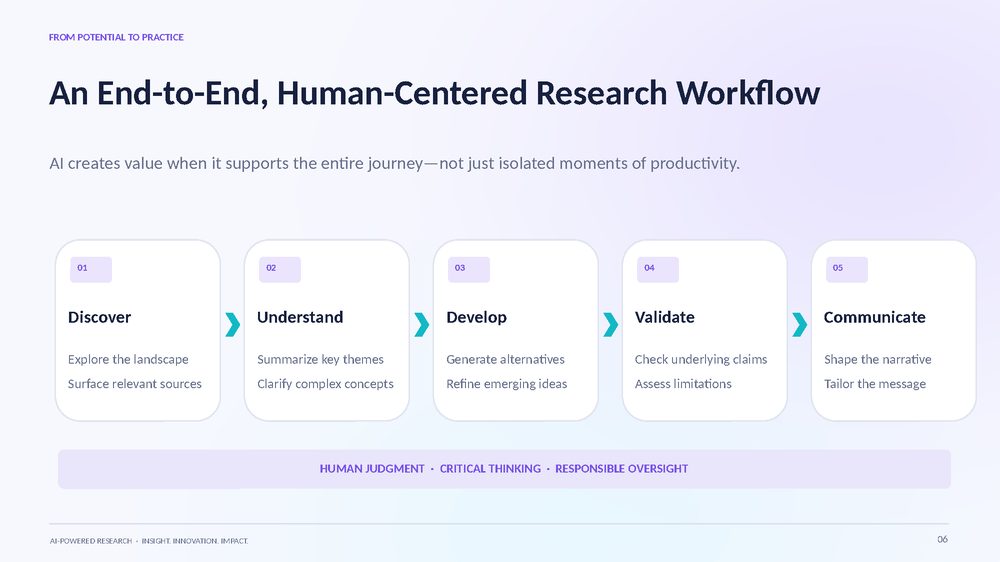
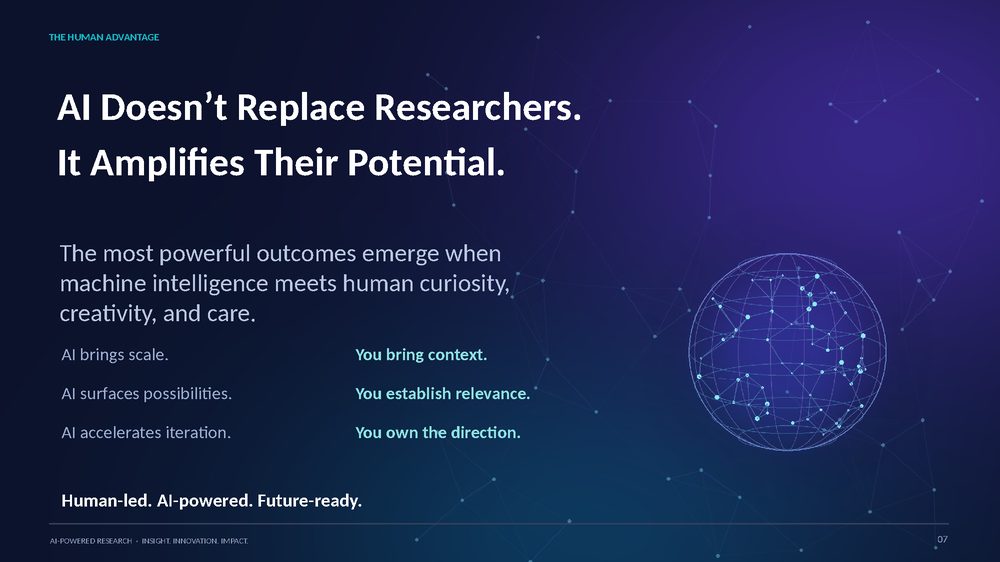

People notice slop text at different levels. My mom notices almost nothing, and beginners spot the infamous em-dash (—), “not X, but Y” and lists of three items, although they often don't apply them. More experienced users might also recognize AI words, bold labels and short punchlines at the end of a paragraph. The bottom layer has the more subtle tells, such as sentence structure, verbs that give abstract concepts a "sense of transformation" for absolutely no reason, the middle dot which is the em-dash of 2026 and the latest AI words (note how 'delve' & 'tapestry' are now a thing of the past). Needless to say, I've left out a lot. Ideally, every AI user should be aware of the entire pyramid. Chances are that you might think it's not slop, but your customer, manager or audience does know it as they come across it more often than you. An excellent resource for this is Wikipedia.
Here's my philosophy: no possible SKILL.md file can solve this problem. Trust me, I have tried relentlessly with my own large set of writing rules, and so did many other GitHub projects. Sure, it might help but it won't solve slop writing, particularly since this changes every 3 months. The only thing that really works is training your own 'deslopping' muscle. By knowing what is down this pyramid, or, by realizing that you might simply be ignorant to the AI-tells you can't yet detect. Why is that? Well, I believe it is fundamental to large language models. So GPT-7, GPT-8 or GPT-9 will not solve that problem either as long as they use LLMs.
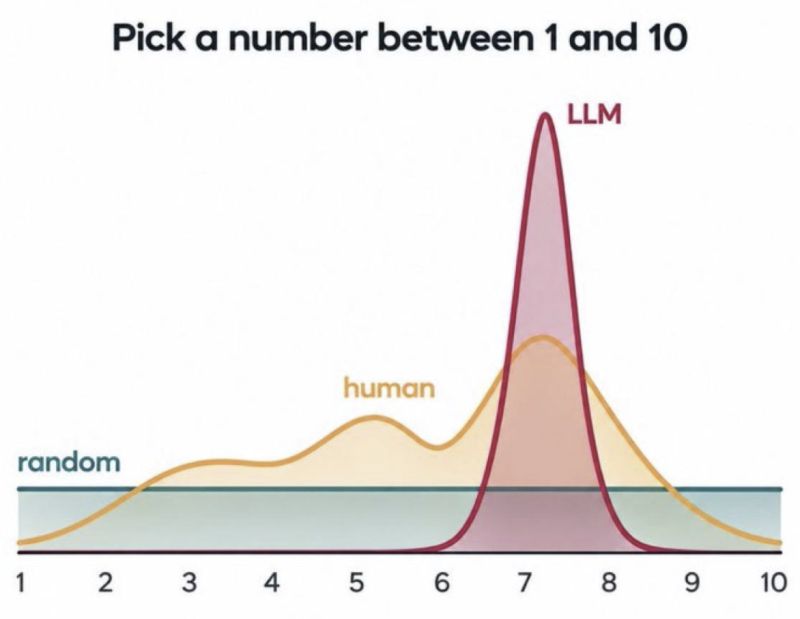
Let me give you a simpler example. When you ask a human for a number between 1 and 10, you get a not-so-random distribution of numbers, where 7 is the most common one. When you ask AI, it will literally respond with "7" over 99% of the time, because it learnt that 7 is somehow the most "correct" next token to produce based on gradient descent.
So, here is my advice from the talk: if you are new to AI, write your prose yourself. Seriously. You are too ignorant of what you don't know is slop. Public-facing text really isn't that much work, and it can squander real work easily. If you use AI for prose anyway, train your deslopping muscle. If you want to show something in an impressive manner to your manager, customer or audience, here's a tip: create high-quality animations without text. Use AI first for everything else (in particular Test-Driven Development of code), and be open about it.
I followed this in my PhD talk: the films have no text, and AI helped me make them. I also put huge effort into deslopping and hand-writing much of the docs for my public apps: GOLIAT and AEGIS.